
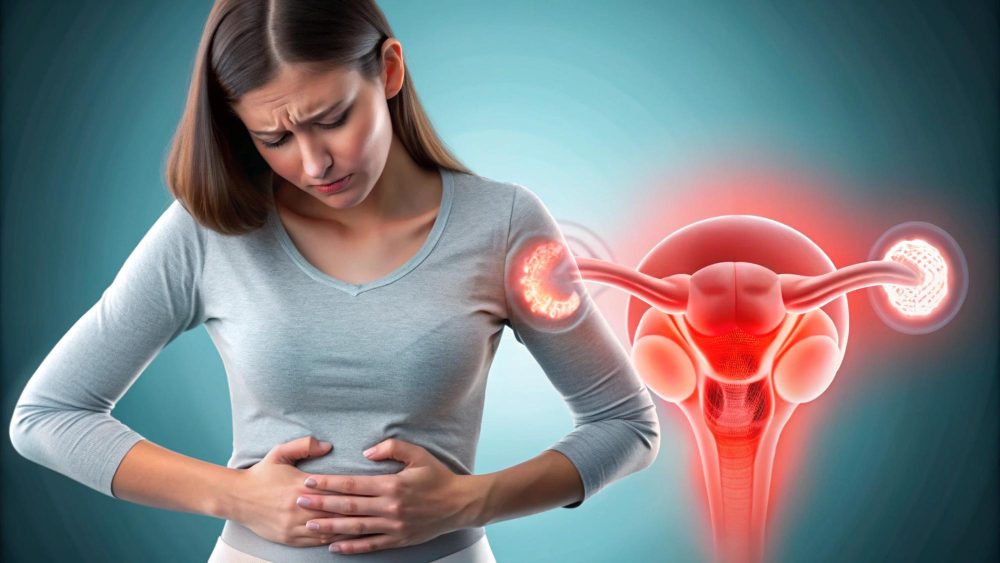
Many women wonder about the link between endometriosis and fertility. Endometriosis is a common health problem that can affect a woman’s ability to get pregnant. For many, learning about this condition is the first step to finding answers. In this blog, you will find clear information about how endometriosis affects fertility, what symptoms to watch for, and what options are available for treatment.
What Is Endometriosis?
Endometriosis happens when tissue similar to the lining of the uterus grows outside the uterus. This tissue can grow on the ovaries, fallopian tubes, or other areas in the pelvis. Because of this, it can cause pain and other health problems. According to the World Health Organization, endometriosis affects about 10% of women of reproductive age worldwide. While it is a long-term condition, many women manage their symptoms with the right care.
How Endometriosis Affects Fertility
Many people ask, “How does endometriosis affect fertility?” The answer depends on where and how much tissue grows. For example, endometriosis can:
Because of these changes, women with endometriosis may find it harder to get pregnant. However, many women with mild endometriosis can still become pregnant naturally. For those with more severe cases, treatment for endometriosis-related infertility may help.
Common Symptoms of Endometriosis
Recognizing endometriosis symptoms is important. Often, women notice signs before they know they have the condition. Some common symptoms include:
Sometimes, women with endometriosis do not have any symptoms. Even so, the condition can still affect fertility. For this reason, it is important to talk to a doctor if you notice any of these signs.
Causes and Risk Factors
Doctors are still learning about what causes endometriosis. However, several factors may raise the risk. For instance, you may be more likely to have endometriosis if:
While these factors may increase risk, anyone can develop endometriosis. Because of this, staying aware of symptoms is helpful.
Diagnosis of Endometriosis
Doctors use several steps to diagnose endometriosis. First, they ask about your symptoms and medical history. Next, they may perform a pelvic exam to check for swelling or scars. Sometimes, imaging tests like ultrasound or MRI help find problem areas. In some cases, a minor surgery called laparoscopy is needed. During this procedure, a doctor looks inside the pelvis with a small camera. This is often the best way to confirm endometriosis. Early diagnosis can help manage symptoms and improve fertility outcomes.
Treatment Options for Endometriosis and Fertility
There are many ways to treat endometriosis and improve fertility. The best option depends on your symptoms and plans for pregnancy. Some common treatments include:
For women trying to get pregnant, doctors may suggest surgery or fertility treatments first. In many cases, treatment for endometriosis-related infertility can help women conceive. However, results vary from person to person. Always talk to a healthcare provider about the best plan for you.
Lifestyle Tips for Managing Endometriosis and Improving Fertility
Along with medical care, certain lifestyle changes can help manage endometriosis and support fertility. For example:
Because every woman is different, these tips may work better for some than others. Even so, healthy habits can support overall well-being and may improve fertility.
Prevention and Early Detection
Currently, there is no sure way to prevent endometriosis. However, early detection can make a big difference. For instance, seeing a doctor when symptoms appear can help start treatment sooner. Regular check-ups and open conversations about any pain or changes in your cycle are important. While endometriosis cannot always be avoided, early care can help protect fertility and reduce symptoms. Consult Dr. Erum Sajid.